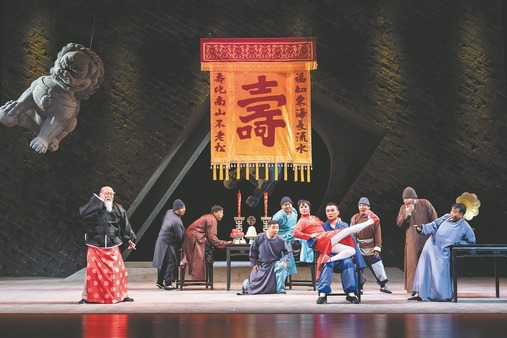
Camel Xiangzi
Introduction
Camel Xiangzi, also known as Rickshaw Boy, is a classic novel written by the renowned Chinese literary figure, Lao She. The novel, published in 1936, delves into the life of Xiangzi, a rickshaw puller in the 1920s Beijing, and is a poignant exploration of the struggles and aspirations of the lower classes in early 20th-century China.
Background
Lao She, whose real name was Shu Qingchun, was born in 1899 and passed away in 1966. He was one of the most important figures in 20th-century Chinese literature. His works are celebrated for their vivid depiction of life in Beijing and his deep understanding of the Chinese people's psyche. Camel Xiangzi is one of his most famous works and has been adapted into various forms, including plays and films.
Set in Beijing during the chaotic period of the 1920s, Camel Xiangzi portrays the life of a rickshaw puller named Xiangzi. The novel begins with Xiangzi working diligently to save money to buy his own rickshaw, a symbol of his dream for independence and a better life. However, his aspirations are consistently thwarted by social upheavals, economic hardships, and personal tragedies.
Plot Summary
The novel captures the essence of Xiangzi's life journey, marked by his relentless struggle against an indifferent society. As Xiangzi strives to achieve his modest dreams, he faces numerous challenges, including exploitation by his employers, betrayal, and personal loss. Despite his hard work and determination, Xiangzi's life deteriorates as he becomes entangled in a series of unfortunate events that undermine his efforts to improve his circumstances.
One of the pivotal moments in the story is when Xiangzi finally saves enough money to purchase a rickshaw, only to have it confiscated by soldiers. His hopes are dashed, leading him into a cycle of despair and disillusionment. Throughout the novel, Lao She paints a vivid picture of the harsh realities faced by the working class in a rapidly changing society.
Themes and Analysis
Camel Xiangzi is rich with themes that reflect the struggles of the individual against societal forces. The novel addresses the impact of poverty, the quest for dignity, and the pursuit of personal autonomy within an oppressive social structure. Lao She's portrayal of Xiangzi's life is both sympathetic and critical, highlighting the systemic issues that perpetuate inequality and hinder personal advancement.
The novel also explores the concept of fate and the limitations imposed by an unforgiving social environment. Xiangzi's story is a commentary on the futility of individual efforts in the face of overwhelming societal barriers, offering a critique of the socio-political landscape of the time.
Cultural Impact
Camel Xiangzi remains a seminal work in Chinese literature and continues to be studied and appreciated for its literary merit and historical significance. The novel offers a window into the lives of ordinary people during a turbulent era in China's history and serves as a powerful reminder of the enduring human spirit in the face of adversity.
Lao She's masterful storytelling and keen social insights have ensured that Camel Xiangzi remains relevant across generations, resonating with readers both within China and internationally. The novel's adaptations in various artistic forms further underscore its lasting impact on Chinese culture and the arts.








